Watch out for Oklahoma’s Seasonal Pests
August 24, 2022 | Oklahoma, Pest Control, seasonal
If you have spent any time outdoors in Oklahoma during the summer season, you understand how much the critters and bugs enjoy Oklahoma’s climate – especially the summer. Oklahoma is home to over 540 destructive pests and 1000 insects. Outdoor activities including summer picnics frequently attract these bugs. How well do you know Oklahoma’s deadly pests?
Harmful Bugs Found in Oklahoma?
Insects and arachnids are the two most common species of creepy critters in Oklahoma. Knowing the distinction between the two may not be vital, but it could be useful if you are attempting to describe the insect that is invading your house.
Scorpions, ticks and spiders are some examples of arachnids. Arachnids are critters with eight legs and three body segments. Insects have six legs and two body segments. However, remember, if you’re close enough to count body parts and legs, you could be too close!
Flying Insects
Other outdoor activities including summer picnics frequently attract these flying bugs. The stings, while unpleasant, are typically not fatal. Nevertheless, it can be far more harmful to people with allergies to the toxin. If someone has been stung, wash the open wound and apply a cold pack to the affected area. If there is more than minimal inflammation in the region, seek medical attention right away.
Hives are commonly found in the eaves of sheds, barns, and porches, on equipment left outside, and beneath trees. Here’s an overview of some flying insects.
- Wasps – Paper wasps are the most likely to sting humans of all the wasp species. They build honeycomb-like colonies and can contain up to 75 “worker” wasps that gather food and guard the colony. Solitary wasps often utilize their stinger exclusively to immobilize victims.

- Mosquitoes – Mosquito bites are often itchy, irritating, and annoying. Unfortunately, mosquito-borne illnesses such as malaria, Zika virus, and West Nile virus exist. They appear to be everywhere throughout the warmer months, but they enjoy stagnant water.
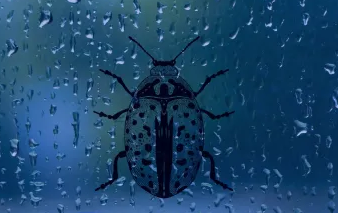
- Kissing Bug – As bearers of the fatal Chagas virus, these pests, that feast on the blood of animals, frequently puncture on or around their prey’s mouth. They lurk in gaps, beneath or in mattresses (even animal bedding) while inside your property and therefore only come out and about at nighttime. These are brownish-black insects with brighter markings on the surface of their rear “shell.”
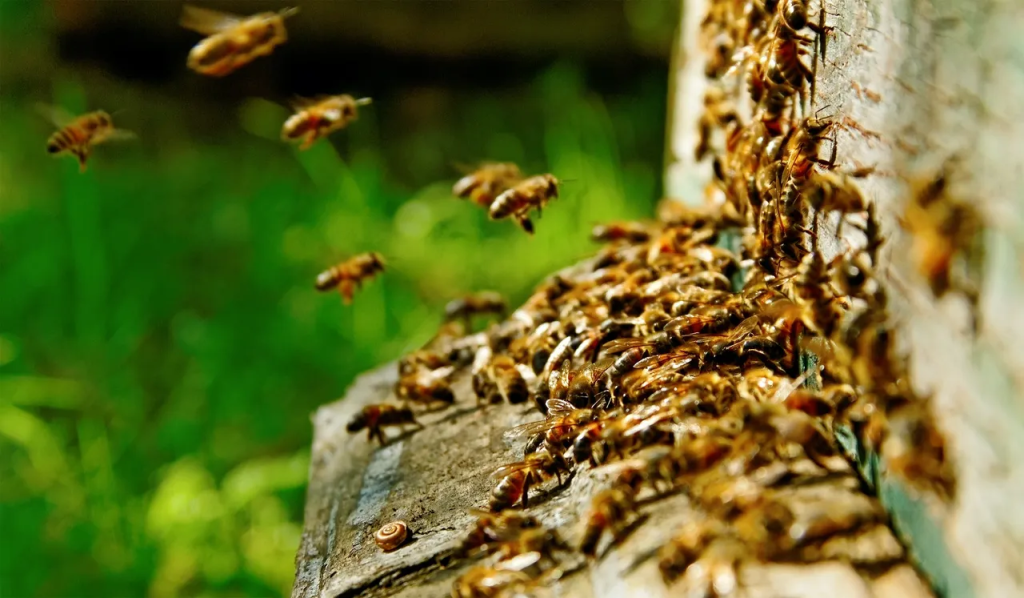
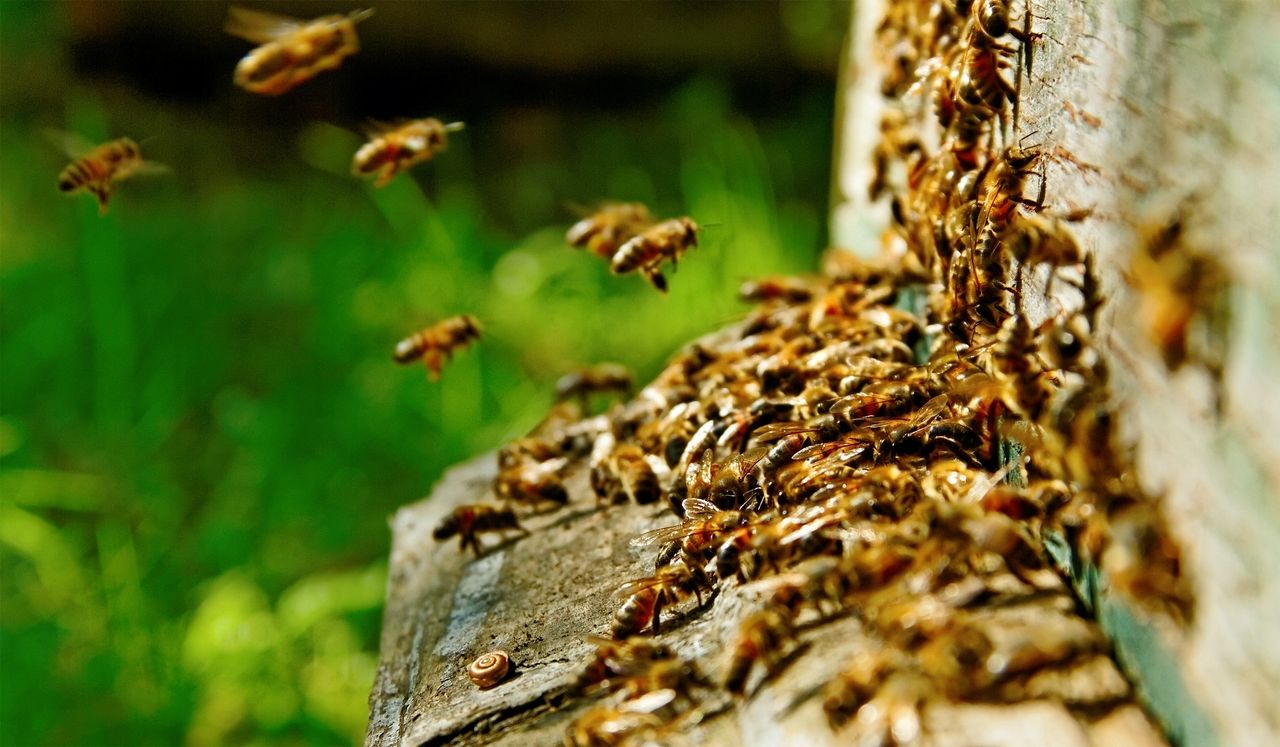
- Bees – Oklahoma is home to four different varieties of bees. The most prevalent stinging bees are bumble bees and honey bees. This is because their sociable lifestyle and nature may bring them into touch with living beings more frequently than isolated bees.
- Fire Ants – These troublesome insects infiltrate hundreds and thousands of acres in the southern side of the United States. They are especially hostile, swarming and attacking everything which disrupts their nest. Fire ants will strike, then curl their spine and lash repeatedly in a circle. The toxin is poisonous, causing a terrible sharp stinging pain. These reddish-black and reddish-brown pests have a noticeable stinger at the posterior end of their abdomen.
- Eastern Velvet Ant aka “The Cow Killer” – These crawl and resembles ants, but its vivid black and red hairs reveal that it is a featherless female wasp. The bite is incredibly severe and has been known to kill livestock. They may be spotted in meadows and fields, as well as, on lawns and around the margins of woody regions.
Crawler Insects
When you stroll into your garden on a hot afternoon, you’ll realize there are far more insects than you could ever estimate. The majority of the insects are benign, and some even play a useful role in your gardens or lawn, however, a handful of them can be painful.
- Assassin Bug – The striking black and orange hues should act as a deterrent to avoid touching the assassin bug. Even when they are not lethal, they have a large fang that is uncomfortable to people who are pricked by it. Because of this very fang, it effectively consumes many other pests, therefore they are beneficial to the yard, however, it is wiser to keep hands out of range!
- American Oil Beetle – This pest is a kind of blister beetle with a simple appearance. They are all black-colored and appear to have overlay “armored” plates. Once they are terrified or crushed, they emit a substance that causes blisters and sores causing unbearable irritation to human skin. They move slowly and are frequently spotted around flowers and plants.
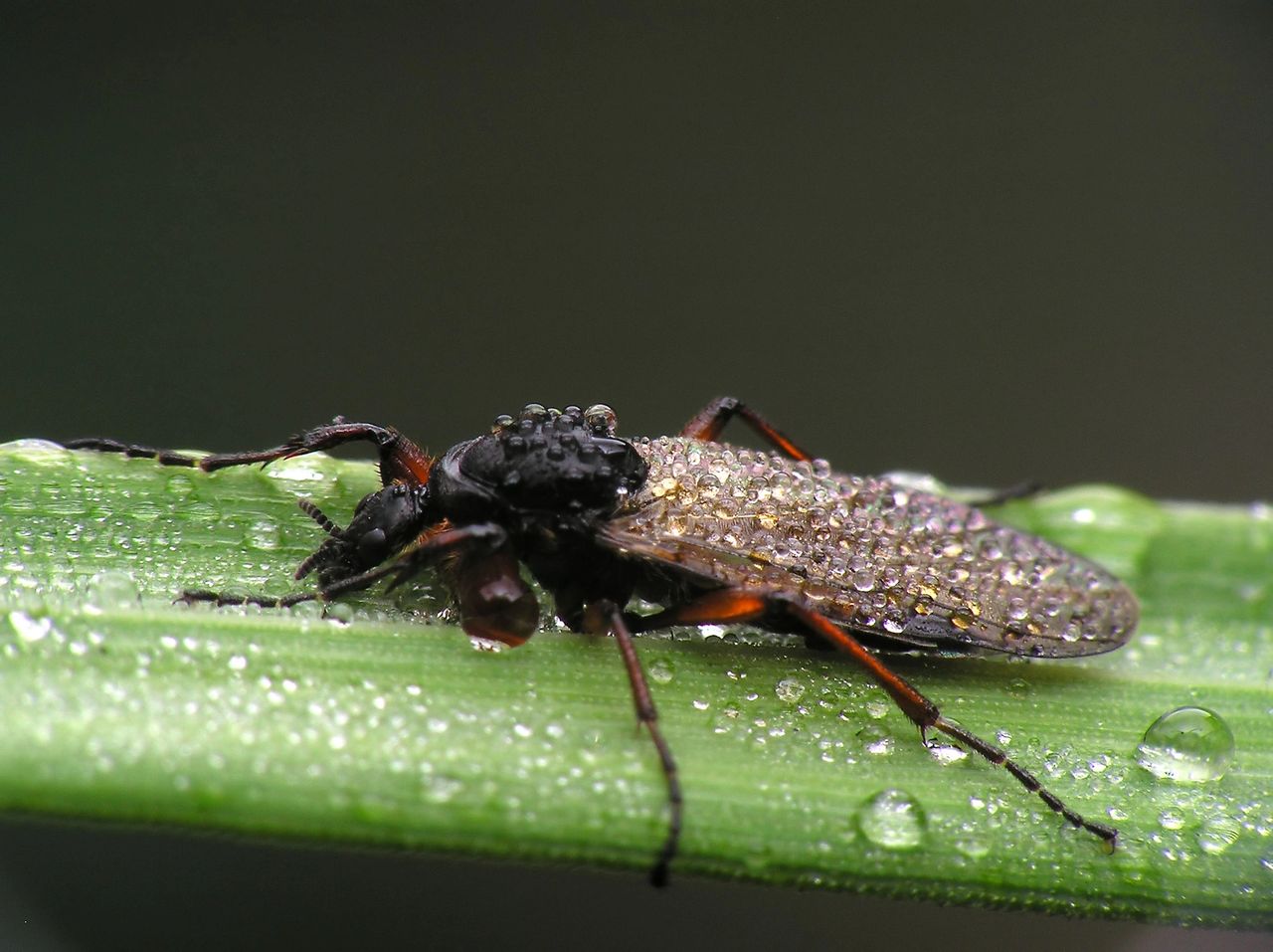
- Boxelder Bug – Another insect with orange and black markings, this bug is drawn to areas in full sun, often found on the sides of buildings. When crushed they emit an offensive odor, so beware and get help if you find many of them. They do not bite but can cause structural damage.
- Earwig – This pest is flat, narrow and brown with antennas and pincers. Some have wings but they rarely fly. Indoors they can be found in cracks and crevices and under furniture and carpeting.
- Spiders – There are so many species – 40,000 in fact! The US has 3,000 species. They range in color and are rarely solid. Usually, the markings on their legs, abdomens and cephalothorax help distinguish them.
Avoiding Pests in Oklahoma is Easy
Taking early preventive measures is the most effective approach to keep pests at bay. Contracting a pest management company to examine and treat your property regularly can assist with a variety of needs, such as pest control near Tulsa, and other regions of Oklahoma.
The planned inspection also serves to keep pests away. Inspect and remove the old caulking, weather stripping, and trim regularly. Remove dead leaves, wood piles, and old branches from your lawn, which offer shelter for pests and attract other predatory insects. To eliminate mosquito breeding grounds, remove stagnant water and fill low surfaces.
Make your house look tidy. Clutter and food left out can offer two of the prerequisites for insect survival. Use highly-scented cleansers to clear cobwebs and dust. Plus, make sure to clean out cabinets and closets regularly.
Are my Pets at Risk?
Do not neglect your pets this summertime when they’re outdoors! Several bugs and pests are detrimental to their bodies.

If cockroaches, crickets, or grubs, are eaten, they can promote the proliferation of stomach worms. Infected mosquitoes are believed to transmit heartworm to pets, and an infection can be fatal.
Flea infections in your puppy’s fur might result in tapeworm illness.
This pest list is not exhaustive. Many caterpillars, such as gypsy moths, asps, and monarch butterflies are poisonous and can harm your outdoor pets too.
Share this post: